Why Concrete Is Important for Strong Water and Sewer Systems
Have you ever wondered how cities deliver clean water to homes and carry wastewater away without causing leaks or damage? Much of this work depends on strong water and sewer systems hidden beneath our streets. Although we rarely see them, these structures play a major role in keeping cities clean, safe, and running smoothly.
Building these systems is not easy. They must handle water pressure, heavy soil, changing weather, and chemicals that can damage building materials over time. That is why concrete is widely used in water tanks, sewer lines, drainage channels, and water treatment plants.
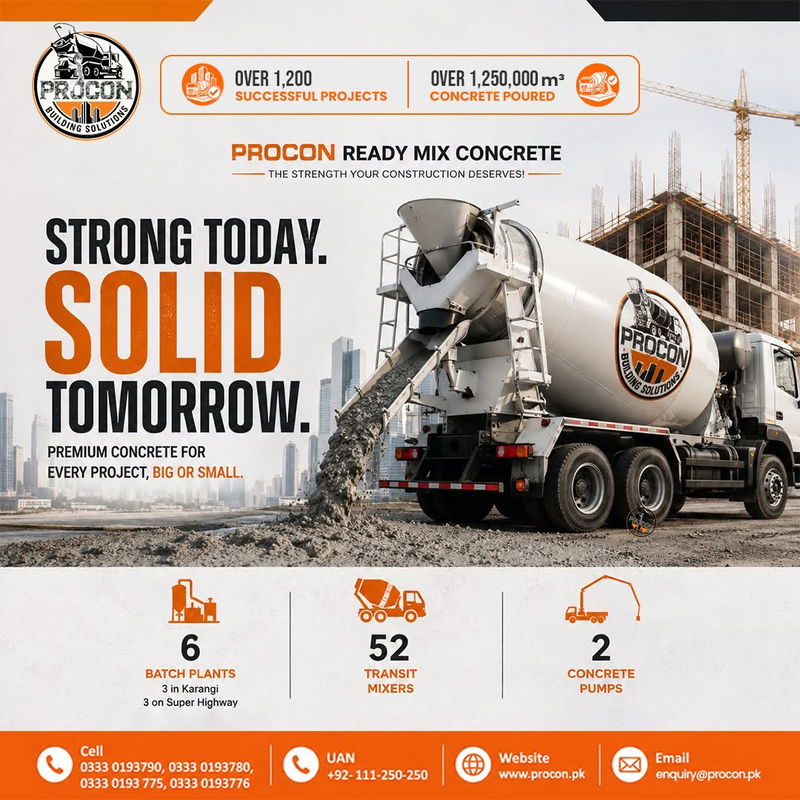
For construction teams, choosing the right materials is an important first step. Reliable supplies of ready mix concrete in Karachi can help builders meet the needs of projects across the city. When the concrete mix, design, and construction methods are right, water and sewer structures can remain strong and useful for many years.
1. How Concrete Helps Sewer Systems Last Longer
Sewer systems carry wastewater that may contain chemicals and other substances that slowly damage some materials. If these structures begin to crack or break down, repairs can become expensive and may disrupt daily life.
The right concrete mix can help reduce these risks.
Protection from harmful chemicals: Some sewer systems release gases that can lead to acid forming on concrete surfaces. Using suitable cement and a carefully designed concrete mix can help reduce damage.
Less water seepage: Concrete made with the right mix and properly cured can limit the movement of water through its surface. This helps protect the structure and the surrounding ground.
Protection for steel bars: Many concrete structures contain steel bars to make them stronger. A proper layer of concrete around the steel helps protect it from moisture and rust.
Good materials alone are not enough. Correct installation, regular checks, and timely repairs also help sewer systems stay in good condition.
2. Keeping Water Tanks Strong and Leak-Free
Water tanks and treatment plants need to hold large amounts of water safely. Even a small leak can waste water, damage nearby areas, or lead to costly repairs.
Concrete is a common choice for these structures because it can handle heavy loads when it is designed and built correctly.
Here is how it helps:
Reducing cracks: The right concrete mix, proper steel reinforcement, and careful curing can reduce the risk of cracks that allow water to escape.
Sealing joints: Some water tanks are built in sections, creating joints where leaks may occur. Special products called waterstops help stop water from passing through these areas.
Planning the concrete pour: Large tanks need careful planning when concrete is placed. Poorly managed joints can create weak spots, so construction teams must follow the project design and proper building methods.
Testing before use: Once construction is complete, the tank should be checked for leaks and other problems before it is put into service.
These steps are important for both drinking-water tanks and structures used in wastewater treatment.
3. Building Strong Underground Pipes and Drainage Channels
Underground water and sewer structures face pressure from the soil around them. Some also carry the weight of roads and vehicles above. They must be strong enough to handle these loads without losing their shape or developing serious damage.
Concrete can help meet these demands in several ways.
Handling heavy loads: Properly designed concrete pipes and drainage channels can support soil pressure and expected traffic loads.
Standing up to moving sand and stones: Water can carry sand, gravel, and other debris that wear away surfaces over time. The right materials and design can help reduce this damage.
Reducing future repair work: Strong construction and correct installation can extend the useful life of underground structures and lower the need for major repairs.
Supporting better drainage: Well-built drainage channels help rainwater move away from roads and buildings, reducing the risk of water collecting in unwanted places.
The type of soil, depth of installation, water flow, and expected load all affect which concrete design is suitable for a project.
4. Why Choosing the Right Ready-Mix Concrete Matters
Not every construction project needs the same concrete mix. A water tank, a sewer structure, and a drainage channel may each have different strength and durability requirements.
Ready-mix concrete is prepared at a batching plant and delivered to the construction site. This can help construction teams achieve a more consistent mix and save the time needed to prepare concrete on-site.
Before choosing a supplier, consider the following:
Mix quality: Make sure the concrete meets the strength and performance requirements of the project.
Reliable delivery: Concrete needs to arrive at the right time so workers can place and finish it properly.
Project requirements: The mix should suit the structure's exposure to water, chemicals, soil, and other conditions.
Proper handling and curing: Good concrete can still develop problems if it is placed, finished, or cured incorrectly.
For contractors and developers working on local infrastructure, ready mix concrete in Karachi is a useful starting point when exploring concrete supply options for a construction project.
Conclusion
Water and sewer systems may be hidden underground, but they are essential to everyday life. They provide clean water, carry away wastewater, and help manage rainwater in busy cities. Concrete plays an important role in these systems because it can provide the strength and durability needed for demanding conditions.
By choosing a suitable concrete mix, building joints carefully, protecting steel reinforcement, and following proper construction methods, project teams can reduce leaks and damage while helping structures last longer.
The quality of the materials used today can make a real difference to the performance of tomorrow's infrastructure. For your next water supply, sewer, or drainage project, explore ready mix concrete in Karachi and make sure your material choice matches the needs of the job.
Survey No. 423, Ibrahim Hydri, behind Bol head quarter, Korangi creek road, Karachi-74900
+92 21 111 250 250
Comments
No comments yet. Be the first to comment!